
Courses
All of our courses are delivered by our highly qualified trainers and delivered to the highest quality.
All courses are CPD-accredited and are in line with the Skills for Health and Skills for Care framework.
Allowing you to rest easy that your training will follow CQC's recommendations.
SD Training will always complete a FREE training needs analysis (TNA) prior to the delivery of any course to ensure the delivery is tailored to your company’s needs, allowing you to mix and match the courses to best fit your needs.
Programmes can be hosted either at your venue or at a training centre across the UK. If the course permits, there is also the option to have your chosen courses delivered virtually over MS Teams or Zoom.
We also craft bespoke training courses, so if you don't see the course in the list below please contact us and one of the team will be more than happy to run through the available options.
Browse our courses below and get in touch for further information.
At SD Training we pride ourselves on being a specialist training company, supplying bespoke fully CPD-accredited training across the UK. All of our courses are designed and delivered by our team of highly skilled trainers who are all industry-experienced, and who bring a wealth of expertise, ranging from Nurses to Registered Managers to CQC inspectors. Our team have worked in a number of fields, from residential, domiciliary, secure and children services.
Our team are highly dedicated to ensuring we offer the most up-to-date training and all have relevant teaching certifications (Level 3 award in education and training or above). The team continuously researches and shares all updates and changes in laws, policies and procedures to ensure training is in line with legislation, best practices, CQC single assessment framework, Skills for Care and Skills for Health standards.
At SD Training, we also believe in continued improvement both at the organisation and individual levels. Therefore, we regularly hold Continued Professional Development sessions and complete peer coaching, mentoring and reviews through observations, work shadowing and team teaching.
Most of our courses use practical sessions, group discussions and end-of-unit tests to ensure every participant gets the most out of each section and will receive certificates on completion. Remember, all of our training can be hosted either at your venue or at a training centre across the UK.
Browse our courses list and get in touch now for further information and your FREE training needs analysis (TNA), to start building your tailor-made training program today.
Cost:
At SD Training, we believe in giving our customers the best value for money. For this reason, we try to keep our overheads to a bare minimum so we can keep our prices competitive.
All of our courses are based on up to 12-26 participants and are run Monday - Friday, 9:30 - 12:30 and 13:00 - 16:00. However, we do offer evening and weekend training on request.
Face-to-face Training: Half-day from: £395 / Full Day from: £495
Virtual Training: Half-day from: £345 / Full Day from: £445
Online training:
The training platform we offer comes complete with an easy-to-use Training Matrix that saves hours of time for managers each week. It instantly displays all compliant training records for Face-to-face and E-Learning courses. It can be exported to Excel or a nicely formatted PDF report.
We will set up your online training so it is ready to go and base all your training on your FREE TNA. We also offer compliance services, taking away the stress of running your reports and maintaining your training matrix.
All of this from as little as £45 per person. That's just 12p per day per person for unlimited access.
For more information or to book your training contact us today.
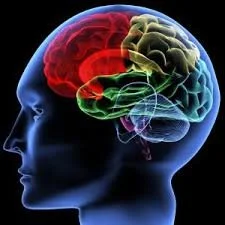
The ABI course provides all health care workers with a broad understanding of brain injuries in order to support individuals with a brain injury.
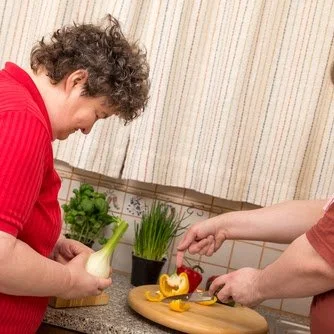
Active Support underpins all areas of health and social care. This course allows staff to use the correct level of support, to engage individuals in day-to-day activities, supporting in a person-centred way.

This course meets all the requirements of the All Wales Induction Framework for H&SC Scheme.
This course meets all the requirements of the All Wales Moving and Handling Passport Scheme.

This course provides an introduction to the fundamental principles of attachment theory. Explores how the dynamics of early relationships influence how children interact in later life

This course helps staff to understand ASD and how they are diagnosed. The course is fully inline with The Core Capabilities Framework for Supporting Autistic People
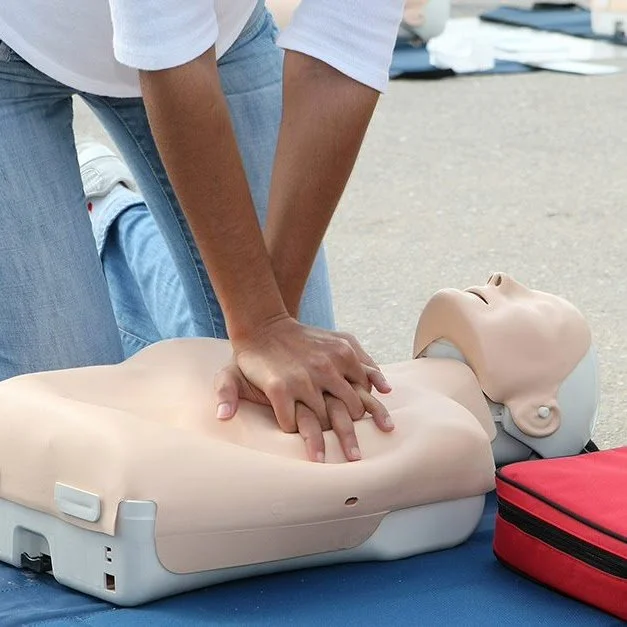
BLS is a mandatory, annual requirement for all care, support and nursing staff. This is delivered using the latest practices approved by the Resuscitation Council (UK).

This is a two to five day Breakaway & Restraint Training course. This physical intervention training course explores the six stages of managing aggression and challenging behaviour.
This course covers all the essential areas required for care staff to complete their Care Certificate. With practical assessments and discussions.
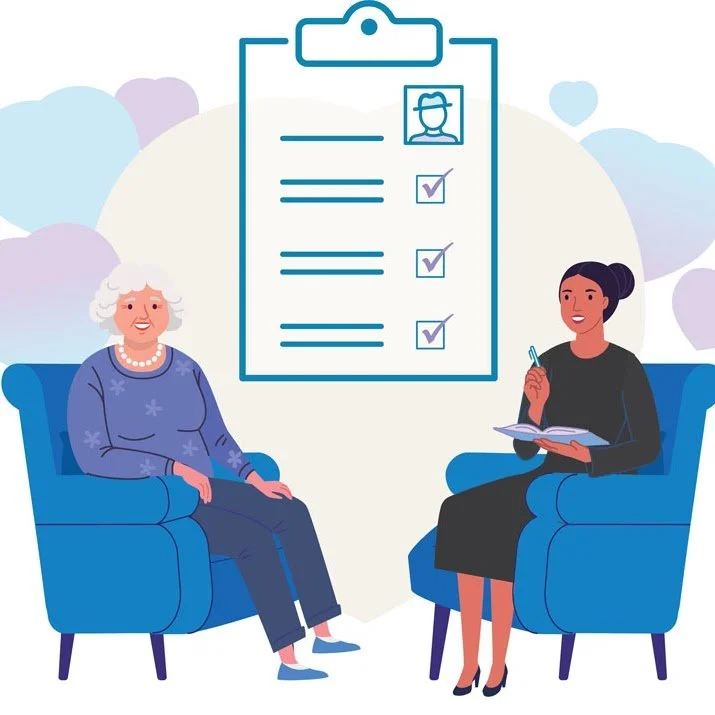
This course assists staff to build and/or refine their care planning. The course offers practical tools and model documents, policies and recording systems that can be adapted to your own care setting.

This course gives those with responsibility for the care of Catheter and Stoma the knowledge and practical skills to identify and prevent possible infections.

SD Training would like to see co-production happening as often as possible and ideally be embedded in the culture of services. It is helpful for everyone to know how to use Co-production.

There are a number of conditions that become more prevalent as a person ages. This course gives an overview of many common conditions, their signs and symptoms.

Finding communication methods that are suitable for individuals is an essential first step in providing care and support that is tailored to the person.

This course is designed for those who sometimes face conflict situations in the workplace. It gives attendees the tools to recognise, prevent or deal with conflict situations.

Search training enables staff to carry out systematic searches for illegal or prohibited items in response to a threat or as a part of everyday security operations.
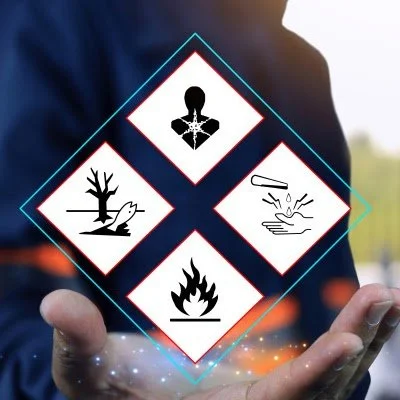
By providing effective COSHH training, employers can help to ensure that everyone in the workplace is competent to carry out their work safely.
This course is designed to ensure that attendees have a fundamental and detailed understanding of the new CQC assessment framework.

This training will enable staff to manage data and information correctly within GDPR guidelines, using real-life examples to allow staff to understand the importance.
This course gives learners an understanding of many conditions that fall under the dementia umbrella, along with practical examples of how to help create a dementia-friendly environment.
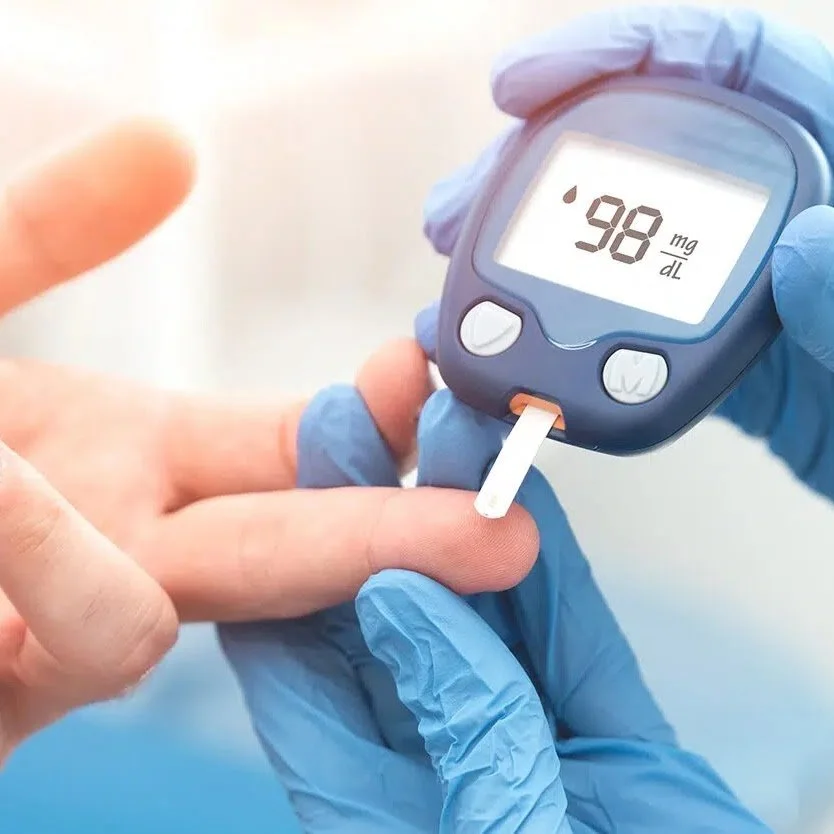
This training course allows learners to explore in-depth the causes of diabetes, the different types and effects of diabetes, and methods of management in a theoretical and practical in nature.

To be able to make informed decisions regarding our nutritional needs, it’s important to understand the basic principles behind nutrition, in which hydration also play a role.

Many care staff provide excellent care but forget the importance of keeping accurate records and remembering why this is important. If it isn’t written down, it hasn’t happened!”.
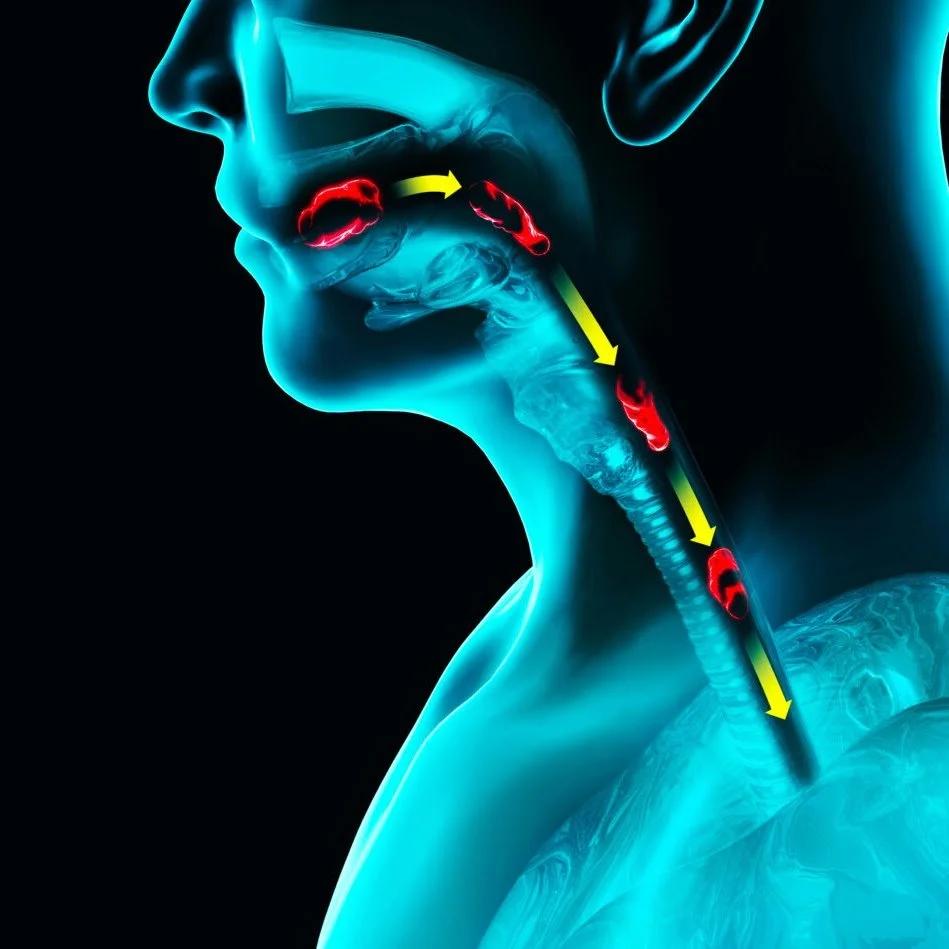
This course explores the physiology of swallowing, recognising and reducing the possibility of choking and aspiration, and the practical ways carers can assist people with ‘safer swallowing strategies’.

This course is aimed at all those who are looking after people within care coming to the end of life
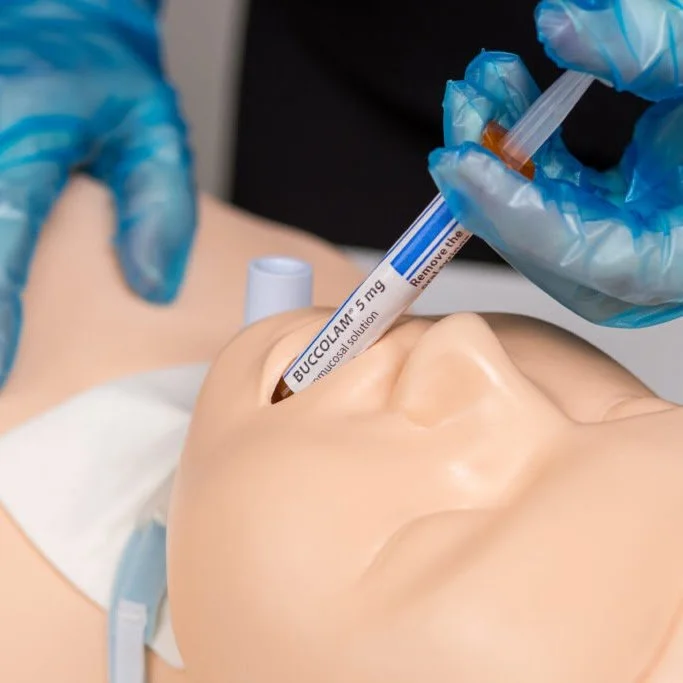
This course looks at the background, causes, treatment and forms of epilepsy. In addition, the session covers emergency aid when a seizure occurs.
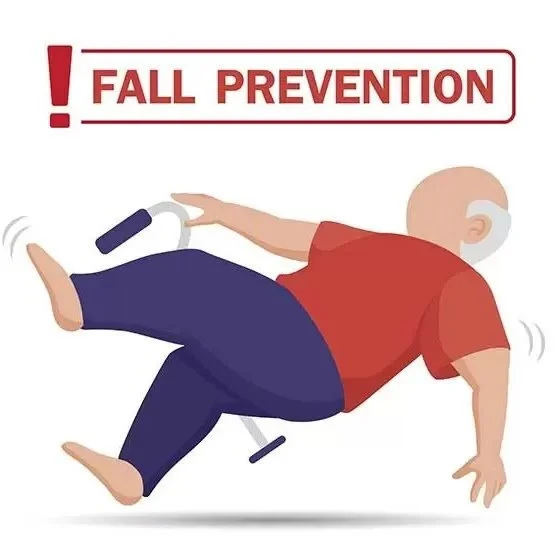
This course explores practical techniques staff can use to promote independence and facilitate safe walking strategies, as it has been proven that training can reduce falls by as much as 54%.
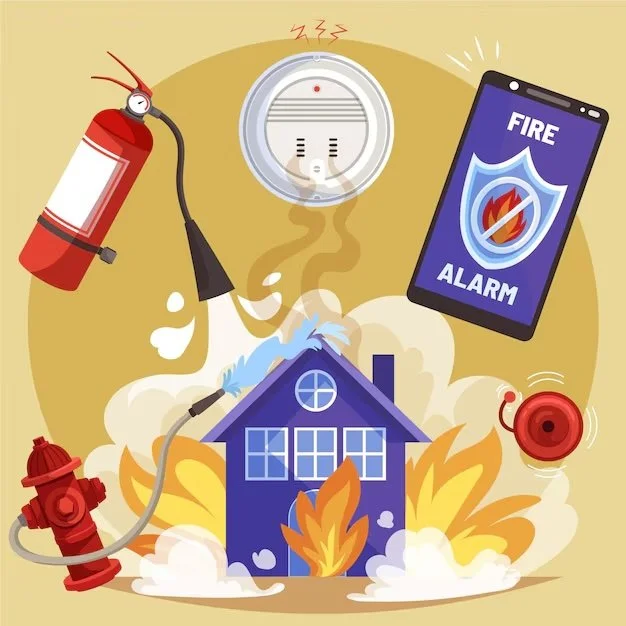
This Course trains staff on the risks of fire in the workplace and what safety measures should be in place to control them. It explains everyone’s legal responsibilities, and common causes of fires.
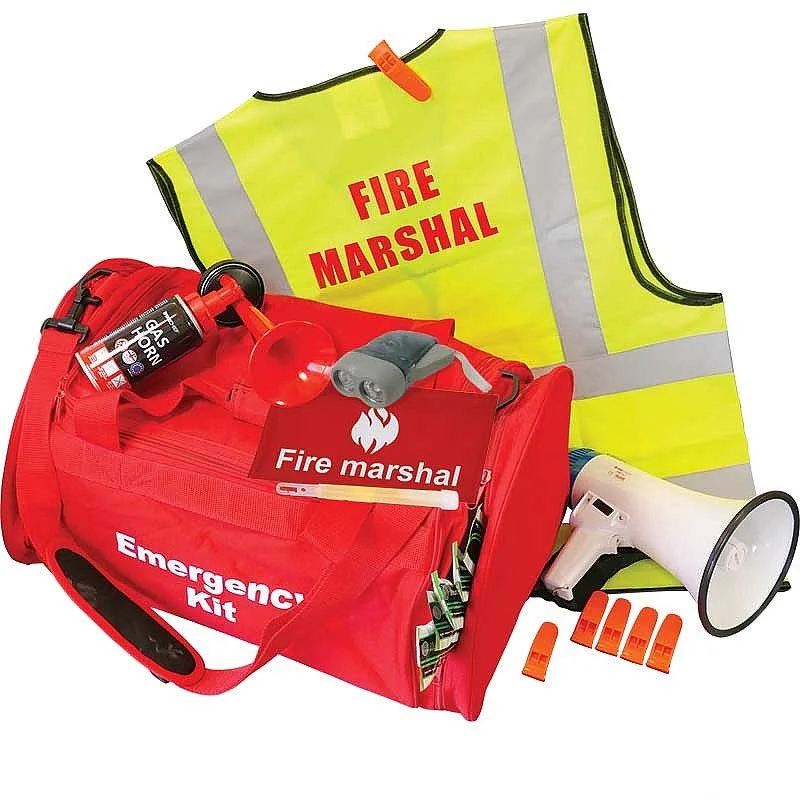
The information in the course will enable staff to take responsibility for fire safety in your workplace. This course will provide staff with the necessary training required to be a qualified fire warden.
All of our First Aid courses are delivered by appropriately qualified instructors and CPD accredited. Learners will receive certificates upon successful completion.

This qualification equips learners with the knowledge and skills to recognise potential mental health concerns, initiate conversations, and offer support before professional help.
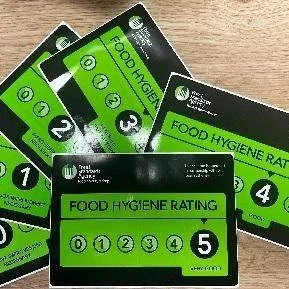
Everyone who works with food has a responsibility for the health of the consumer and to ensure food is safe for consumption. This course will cover what is required to keep food safe in your work environment.
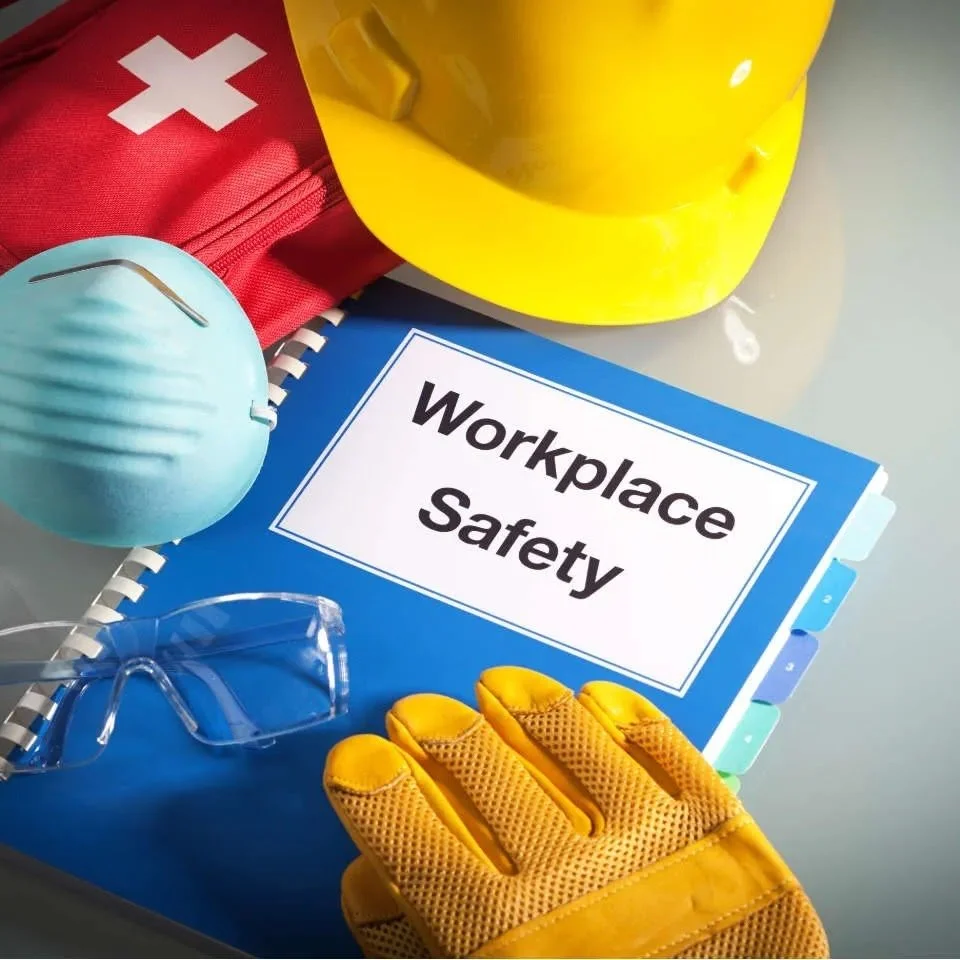
This Health and Safety course ensures that staff understand the most common health and safety risks in your workplace and the control measures that are needed to keep everyone safe.
This course will provide staff with the necessary skills required to carry out their role effectively. Each course will be tailored to your service needs and will cover all essential topics.

This course considers the implications of infection control negligence and the persons who may be at risk through poor practice.

The Health and Care Act 2022 introduces a requirement for all staff supporting individuals with Learning Disabilities to have relevant training. This course is designed to meet these requirements.
Lone working courses help employees who work alone or away from colleagues to stay safe and handle emergencies. These courses are important because lone workers face unique risks.

This course explores the six stages of managing aggression and challenging behaviour including physical and non-physical defence strategies suitable to the NHS.

This course explores the law regarding physical intervention and teaches staff disengagement and defence techniques for varying risk levels.
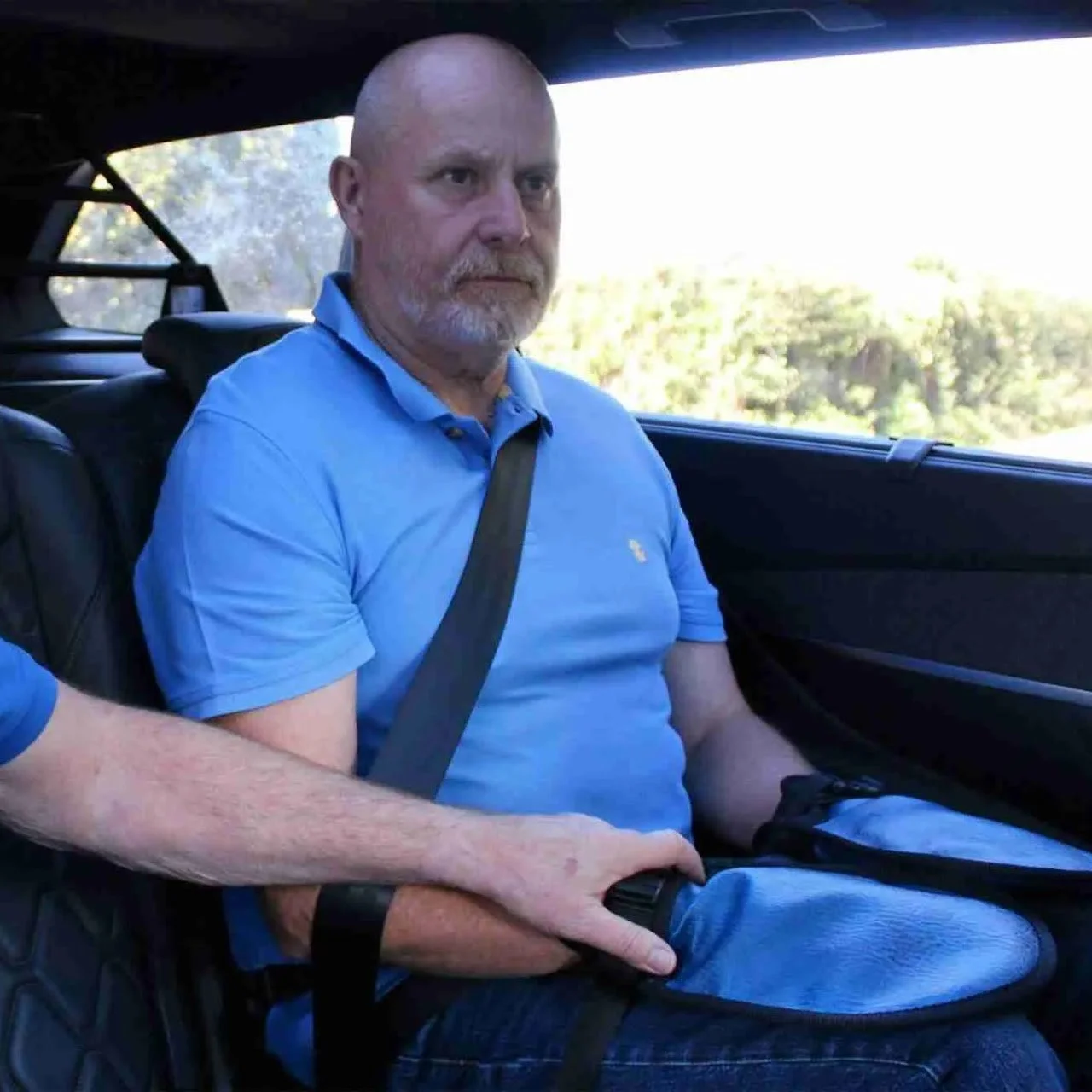
The Soft Mitts mechanical restraint course trains delegates in the use of the VIP-R soft Mitts as an alternative to traditional wrist restraints when mechanical restraint is required to prevent injury or harm in the event of challenging or hazardous behaviours.

This course gives learners the knowledge to help them to safely and effectively administer and manage medication in a care or support setting.
This course is designed to give staff an understanding of their responsibilities and how to put them into practice in the workplace regarding the legal safeguards in the Mental Capacity Act.

This training gives participants an insight into mental health including what mental health is, various conditions and the legislation that directly affects mental health treatment and care.

Studying this Moving and Handling course will ensure that staff understand the risks of incorrect handling. The physical harm which can be caused to people will be explored and techniques to assess risk will be introduced.

Neurodiversity describes the idea that people experience and interact with the world around them in many different ways. This course looks at Neurodiversity with an overview of different common conditions.
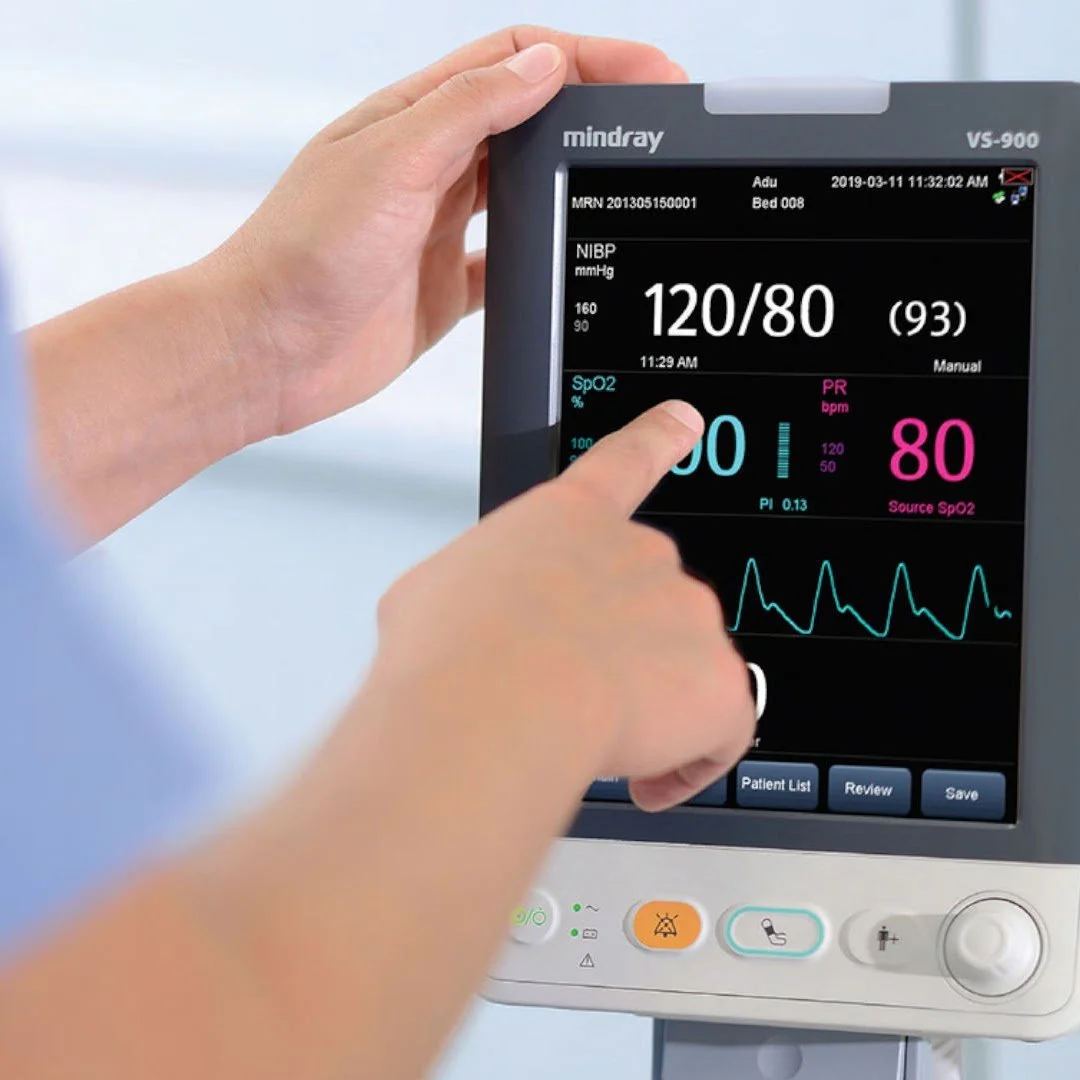
This session provides an introduction to the National Early Warning Score (NEWS) and how it can be used in care. It also explores its effective use between primary and secondary care.

Good oral hygiene promotes overall general good health, while the mouth is a “window into the body”. Often overlooked, oral hygiene must be promoted as a vital part of routine care.
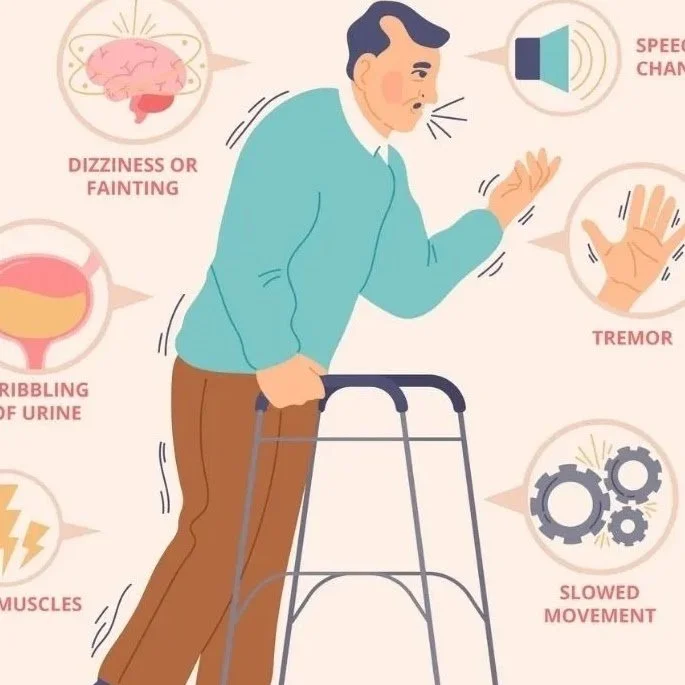
This course explores the signs, symptoms and progression of Parkinson’s disease and the top-quality care that can be provided by staff entrusted with the person’s care.
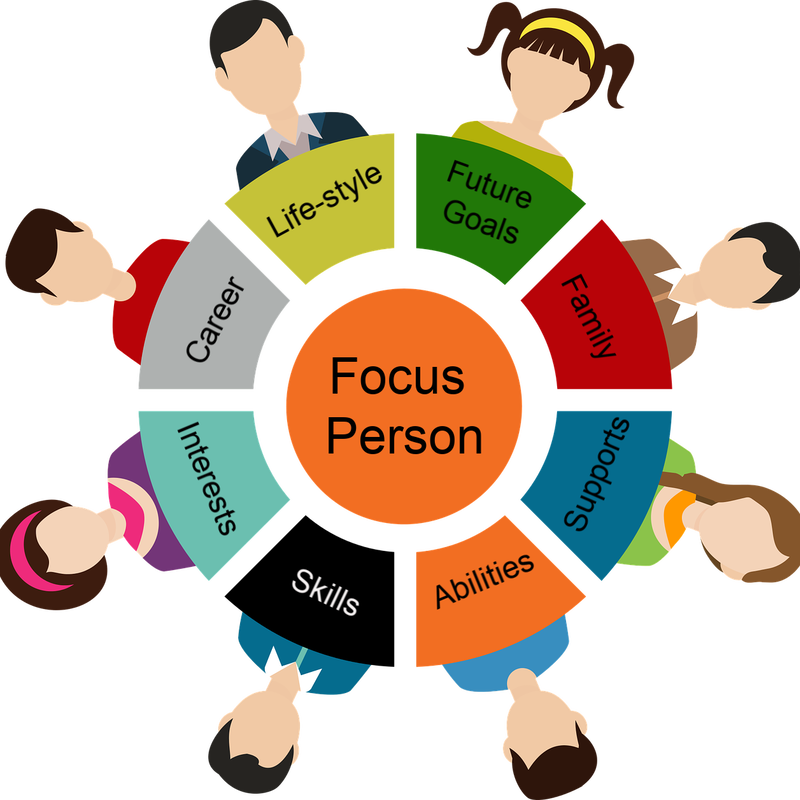
This course assists staff to ensure the care they provide is person-centred regardless of the persons diagnosis. The course offers practical tools and model documents.

Our Personal Safety & Breakaway Module of the Able Target System provides accredited training in de-escalation and personal safety strategies for dealing with challenging behaviour.
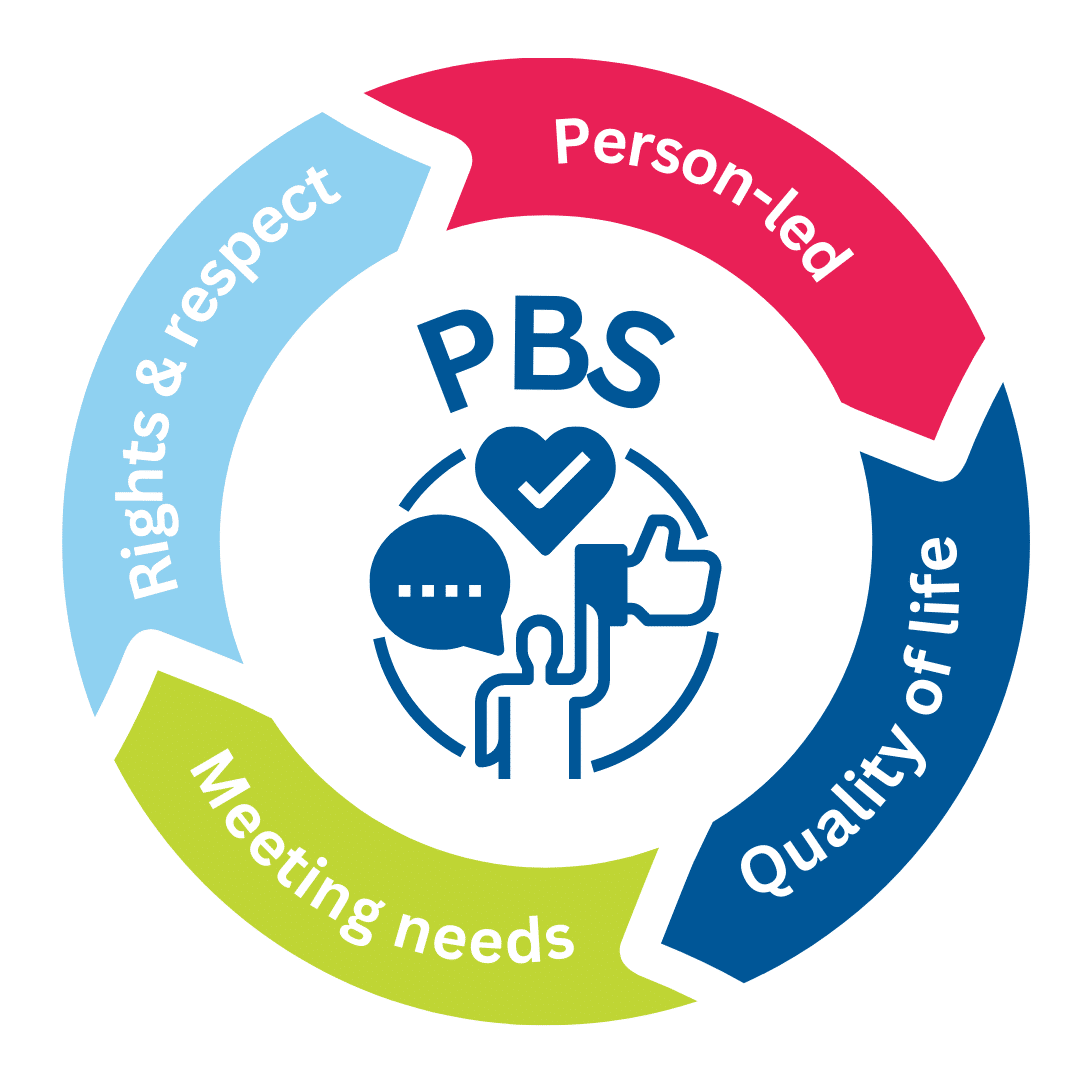
PBS is the best way of supporting people who are at risk of displaying behaviour which challenges services. It’s important that staff have the right skills and knowledge to support anyone who may challenge services.

Accredited training for dealing with challenging behaviour. Based on the principles of positive behavioural support, pro‐active and responsive strategies and de‐escalation. Our training in the subject of managing difficult behaviours and aggression all follow the Able Target System.

Restrictive and non-restrictive physical intervention skills including; Positive handling, guiding, shepherding, restraint and clinical holding

This course will help staff to support individuals develop independence skills. You will cover home management skills, creativity, enterprise and also develop a range of skills for greater independence.

Our PMVA training is based on a person-centred approach to conflict and difficult behaviour and is a fully accredited course with the British Institute of Learning Disabilities Association of Certified Trainers (BILD – ACT) and the Institute of Conflict Management (ICM)

Professional boundaries training teaches people, especially those with jobs involving direct contact with clients or customers, how to keep proper boundaries in their work relationships.

Safeguarding is mandatory training all staff in care and support services require. Our training includes real, practical examples to ensure an immersive and interactive training session.
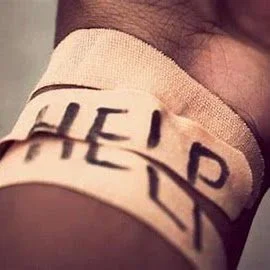
Having ligature training can and does save lives. However, at SD Training, we believe prevention is more important therefore, we look at not just how to use equipment but also ways in which to prevent self-harm.
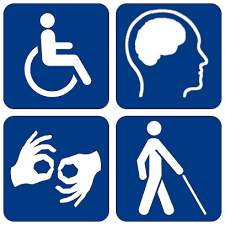
This course allows staff to gain an understanding of how sensory impairments can have an impact on different aspects of a person’s life. With a practical, experiential session.

This course for senior carers explores how staff can become effective leaders in order for the service to reach its full organisational potential.
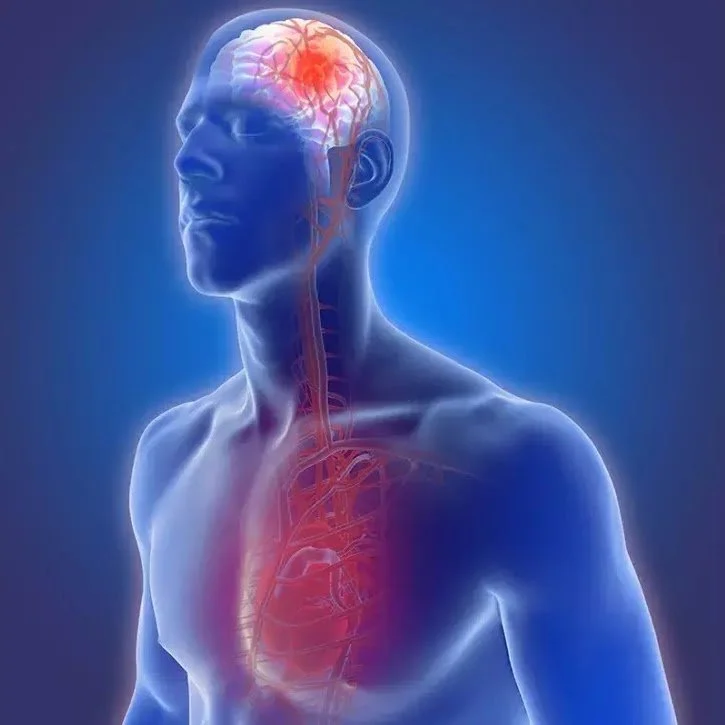
This course is suitable for anyone working in care and enables learners to identify the common signs of stroke, how to respond effectively and the importance of emergency response, as well as looking at recovery.

The session looks at the legalities and some of the psychology of substance misuse. It also looks at the more practical elements including what some common street drugs look like, and what can be used to make drug paraphernalia.

Therapeutic Observations are used within hospital and residential settings where service users will be observed on a regular basis. This course will allow staff to understand the importance of observations.
This course provides a thorough overview of trauma-informed care principles, imparting essential knowledge and techniques for applying these practices effectively.
Contact us
Interested in working together? Fill out some info and we will be in touch shortly. We can’t wait to hear from you!
07873 872040